
Blog
coaching
Rewiring Reward: How Coaching Reduces the Brain’s Response to Cravings

The focus in 2026 has shifted from strict dieting to "dopamine management"—understanding why the brain values a cookie over a carrot. Coaching provides a direct path to shifting how the brain perceives rewards, facilitating a rewiring of the reward system itself.
The Reward System and Cravings: The 2026 View
Food cravings originate in the dopaminergic reward pathway, with key players being the nucleus accumbens (the "pleasure center") and the ventral tegmental area (the dopamine factory). The …
From Craving to Clarity: The Prefrontal Cortex and Coaching Success

Why do some clients break free from the cycle of cravings while others plateau? As of early 2026, the answer lies in the health and connectivity of a single brain region: the medial Prefrontal Cortex (mPFC). This area acts as the brain's executive coach, and strengthening it is central to long-term behavioral change.
The Prefrontal Cortex: Your Client’s Inner Coach
Located behind the forehead, the mPFC is responsible for impulse control, future planning, and self-regulation. When a craving hit…
Craving Control: How Coaching Changes the Brain

For decades, the common explanation for food cravings was a simple lack of willpower. By 2026, that view is obsolete. Neuroscience now shows that cravings are hardwired into the brain’s reward and emotional centers. The practical takeaway for coaches is that structured interventions can leverage neuroplasticity to create measurable change in these circuits, moving clients beyond a reliance on discipline alone.
The Neuroscience of Cravings in 2026
Current models define cravings as a dynamic pro…
Measurable Brain Changes: How Coaching Reshapes the Food Reward System

The impact of coaching extends beyond behavioral modification; it actively reshapes the brain's neural reward pathways. Neuroimaging studies provide measurable evidence that structured coaching interventions can increase the brain's pleasurable response to healthy food while simultaneously diminishing cravings for hyperpalatable, nutrient-poor options.
This transformation is driven by several key neurobiological mechanisms.
Emotional Regulation and Stress Reduction
Chronic stress and negative e…
Practical Steps to Reshape Food Cravings Through Coaching

Cravings are a powerful neurological force that can override conscious intentions to eat healthily. Coaching offers a practical, neuroscience-based framework for reshaping these automatic reward responses. The following strategies are designed to leverage the brain's plasticity, systematically reinforcing healthier habits.
Step 1: Identify Personal Triggers
Research in behavioral science and neuroimaging confirms that environmental cues, stress, and emotional states activate the brain's reward c…
The Neuroscience of Habit Change: How Coaching Affects Food Choices

Changing what you eat is notoriously difficult. This isn't due to a lack of willpower, but the way the human brain is wired. The brain's reward system, responsible for feelings of pleasure and motivation, is a primary driver of food choices. Current neuroscience indicates that professional coaching can directly influence this system, making the selection of nutritious foods a neurologically rewarding experience.
The brain's reward pathway operates primarily through dopamine, a neurochemical rel…
Where Digital Twin Technology Is Taking Weight Management Coaching
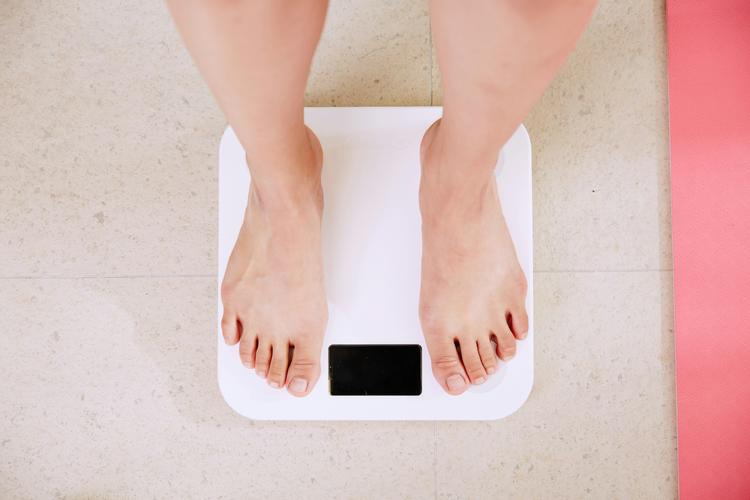
By 2026, digital twin modeling is no longer an experimental concept—it’s a practical tool that’s reshaping how coaches work with clients. Here’s what the next phase of this technology looks like in practice.
Real-time adaptability
Digital twins are becoming more dynamic. With continuous data from wearables and mood trackers, the model updates in real time. Coaches don’t just get a snapshot of last week—they get current insights on what’s happening with the client right now, allowing for immediat…
5 Ways Digital Twin Modeling Changes Weight Management Coaching
Digital twin technology is moving into mainstream coaching, and it’s changing how professionals approach behavior change. Here are five specific ways it’s being used right now.
- Strategies built on data, not assumptions
Most coaching frameworks group clients into categories like "emotional eater" or "stress eater." Digital twin modeling takes it further. It builds a strategy based on how that specific client’s system reacts to real-life triggers. Personalization becomes predictive instead of a…
What Digital Twin Modeling Means for Weight Management Coaching in 2026
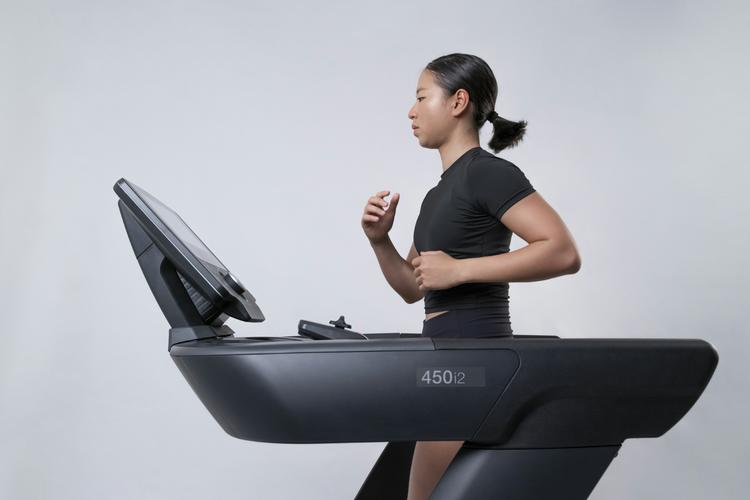
Weight management coaching has moved beyond guesswork. In 2026, one of the most significant shifts in the industry is the adoption of digital twin modeling—a tool that lets coaches understand client behavior on a much deeper level.
A digital twin is a virtual model of an individual, built from real-world data. It uses machine learning, behavioral science, and physiological inputs to simulate how a person thinks, reacts, and makes decisions. In coaching, this means creating a working model of a …
How to Heal Food Addiction Without Dieting, Shame, or More Rules

Introduction
If you’ve been stuck in cycles of bingeing, restricting, and self-blame, it’s not because you haven’t tried hard enough.
It’s because most approaches ignore the brain and nervous system.
Healing food addiction starts when we stop asking for control—and start building safety.
Step 1: Name the Pattern, Not the Person
Instead of asking, “What’s wrong with me?”
Ask: “What did my brain learn—and when?”
Food may have once provided:
- Emotional relief
- Connection
- Predictability
- Reg…
Blog
coaching
Rewiring Reward: How Coaching Reduces the Brain’s Response to Cravings
The focus in 2026 has shifted from strict dieting to "dopamine management"—understanding why the brain values a cookie over a carrot. Coaching provides a direct path to shifting how the brain perceives rewards, facilitating a rewiring of the reward system itself.
The Reward System and Cravings: The 2026 View
Food cravings originate in the dopaminergic reward pathway, with key players being the nucleus accumbens (the "pleasure center") and the ventral tegmental area (the dopamine factory). The …
From Craving to Clarity: The Prefrontal Cortex and Coaching Success
Why do some clients break free from the cycle of cravings while others plateau? As of early 2026, the answer lies in the health and connectivity of a single brain region: the medial Prefrontal Cortex (mPFC). This area acts as the brain's executive coach, and strengthening it is central to long-term behavioral change.
The Prefrontal Cortex: Your Client’s Inner Coach
Located behind the forehead, the mPFC is responsible for impulse control, future planning, and self-regulation. When a craving hit…
Craving Control: How Coaching Changes the Brain
For decades, the common explanation for food cravings was a simple lack of willpower. By 2026, that view is obsolete. Neuroscience now shows that cravings are hardwired into the brain’s reward and emotional centers. The practical takeaway for coaches is that structured interventions can leverage neuroplasticity to create measurable change in these circuits, moving clients beyond a reliance on discipline alone.
The Neuroscience of Cravings in 2026
Current models define cravings as a dynamic pro…
Measurable Brain Changes: How Coaching Reshapes the Food Reward System
The impact of coaching extends beyond behavioral modification; it actively reshapes the brain's neural reward pathways. Neuroimaging studies provide measurable evidence that structured coaching interventions can increase the brain's pleasurable response to healthy food while simultaneously diminishing cravings for hyperpalatable, nutrient-poor options.
This transformation is driven by several key neurobiological mechanisms.
Emotional Regulation and Stress Reduction
Chronic stress and negative e…
Practical Steps to Reshape Food Cravings Through Coaching
Cravings are a powerful neurological force that can override conscious intentions to eat healthily. Coaching offers a practical, neuroscience-based framework for reshaping these automatic reward responses. The following strategies are designed to leverage the brain's plasticity, systematically reinforcing healthier habits.
Step 1: Identify Personal Triggers
Research in behavioral science and neuroimaging confirms that environmental cues, stress, and emotional states activate the brain's reward c…
The Neuroscience of Habit Change: How Coaching Affects Food Choices
Changing what you eat is notoriously difficult. This isn't due to a lack of willpower, but the way the human brain is wired. The brain's reward system, responsible for feelings of pleasure and motivation, is a primary driver of food choices. Current neuroscience indicates that professional coaching can directly influence this system, making the selection of nutritious foods a neurologically rewarding experience.
The brain's reward pathway operates primarily through dopamine, a neurochemical rel…
Where Digital Twin Technology Is Taking Weight Management Coaching
By 2026, digital twin modeling is no longer an experimental concept—it’s a practical tool that’s reshaping how coaches work with clients. Here’s what the next phase of this technology looks like in practice.
Real-time adaptability
Digital twins are becoming more dynamic. With continuous data from wearables and mood trackers, the model updates in real time. Coaches don’t just get a snapshot of last week—they get current insights on what’s happening with the client right now, allowing for immediat…
5 Ways Digital Twin Modeling Changes Weight Management Coaching
Digital twin technology is moving into mainstream coaching, and it’s changing how professionals approach behavior change. Here are five specific ways it’s being used right now.
- Strategies built on data, not assumptions
Most coaching frameworks group clients into categories like "emotional eater" or "stress eater." Digital twin modeling takes it further. It builds a strategy based on how that specific client’s system reacts to real-life triggers. Personalization becomes predictive instead of a…
What Digital Twin Modeling Means for Weight Management Coaching in 2026
Weight management coaching has moved beyond guesswork. In 2026, one of the most significant shifts in the industry is the adoption of digital twin modeling—a tool that lets coaches understand client behavior on a much deeper level.
A digital twin is a virtual model of an individual, built from real-world data. It uses machine learning, behavioral science, and physiological inputs to simulate how a person thinks, reacts, and makes decisions. In coaching, this means creating a working model of a …
How to Heal Food Addiction Without Dieting, Shame, or More Rules
Introduction
If you’ve been stuck in cycles of bingeing, restricting, and self-blame, it’s not because you haven’t tried hard enough.
It’s because most approaches ignore the brain and nervous system.
Healing food addiction starts when we stop asking for control—and start building safety.
Step 1: Name the Pattern, Not the Person
Instead of asking, “What’s wrong with me?”
Ask: “What did my brain learn—and when?”
Food may have once provided:
- Emotional relief
- Connection
- Predictability
- Reg…