
Rewiring Reward: How Coaching Reduces the Brain’s Response to Cravings
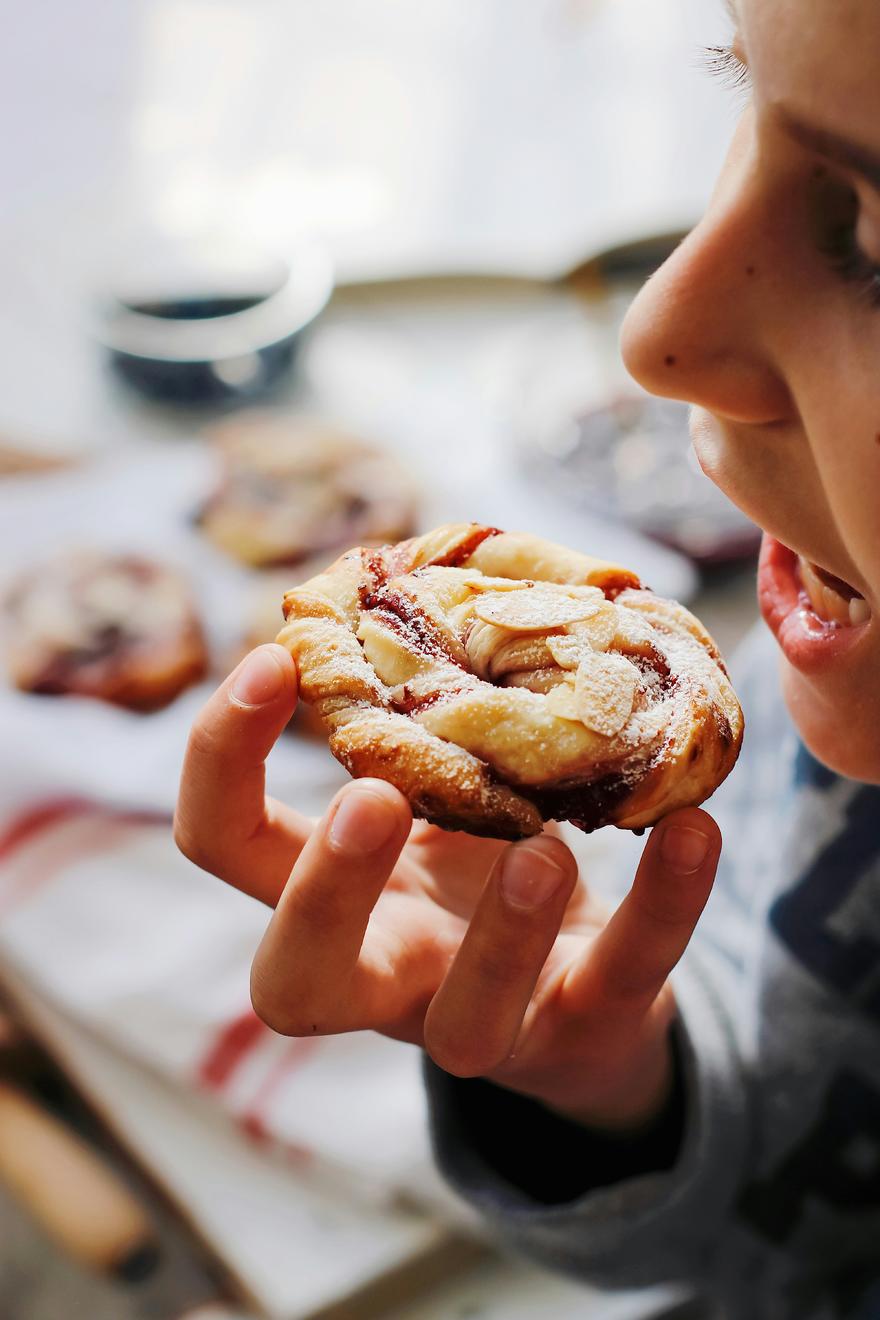
The focus in 2026 has shifted from strict dieting to "dopamine management"—understanding why the brain values a cookie over a carrot. Coaching provides a direct path to shifting how the brain perceives rewards, facilitating a rewiring of the reward system itself.
The Reward System and Cravings: The 2026 View
Food cravings originate in the dopaminergic reward pathway, with key players being the nucleus accumbens (the "pleasure center") and the ventral tegmental area (the dopamine factory). The critical update for 2026 is the understanding that dopamine is primarily about motivation and anticipation, not just pleasure. When a client sees a hyper-palatable food, their brain releases dopamine to motivate them to seek it out, which is why logic alone is often ineffective against a chemically motivated urge.
Coaching’s Role in Reward "Dopamine Resets"
Structured coaching helps clients recalibrate their reward set points:
- Replacing Extrinsic Rewards with Intrinsic Ones:Coaching helps clients find a greater reward in the feeling of being in control than in a temporary sugar spike.
- Dopamine Fasting:Coaches are guiding clients through periods of abstaining from hyper-palatable foods to restore baseline dopamine sensitivity. This reduces the intensity of cravings.
- Building Delayed Gratification:By repeatedly practicing the pause, the brain forms new associations, weakening the link between a cue and the compulsive response.
Studies on Reward Circuit Changes
Recent functional MRI studies demonstrate significant plasticity in the reward system. A 2026 study on addiction used "brain-to-brain neurofeedback" to align individuals' brain states with those of recovered peers, showing that reward reactivity can be voluntarily controlled. Furthermore, animal models suggest that sequential physical and cognitive training can disrupt the powerful context associations that drive cravings.
Practical Tools for Coaches in 2026
- Values Clarification:Reconnecting clients with their core values makes "feeling in control" a more powerful reward than the craving itself.
- Cold Exposure & Breathwork:New findings highlight how practices like brief cold exposure or specific breathing patterns naturally rebalance dopamine levels, offering a biological complement to coaching.
- The "Name It to Tame It" Tool:Helping clients label the physical sensation of a craving moves processing from the emotional amygdala to the cognitive prefrontal cortex, reducing the urge's power.

0 comments
Leave a comment
Please log in or register to post a comment