
Blog
coaching
What Is Entrepreneurial Mindset Coaching — And Why Every Coach Needs It
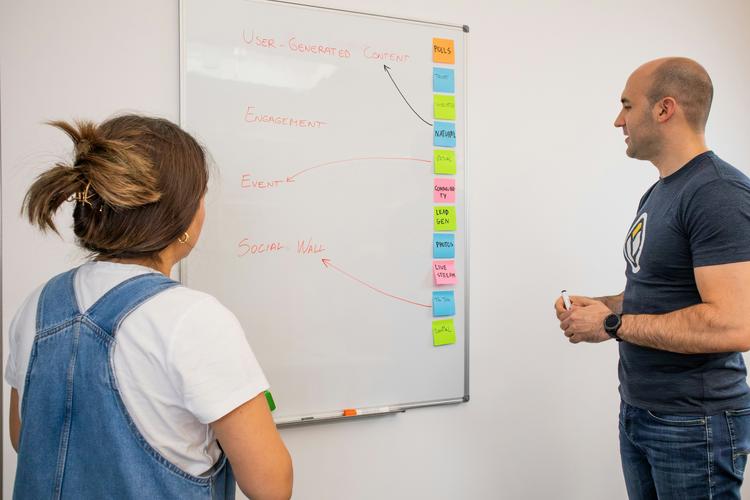
Introduction
Many coaches and therapists enter the field driven by passion and purpose. But passion alone doesn’t build a sustainable business. That’s where entrepreneurial mindset coaching comes in. It’s the missing link between great service and long-term success.
What Is Entrepreneurial Mindset Coaching?
At its core, entrepreneurial mindset coaching helps professionals think, act, and grow like entrepreneurs. It goes beyond skills and tools—it transforms how you approach challenges, opportunit…
Becoming a Post-Traumatic Growth Coach: What You Need to Know

Are you a coach, therapist, or helping professional who wants to make a deeper impact in the lives of those healing from trauma?
Post-Traumatic Growth (PTG) Coaching might be your next step.
This powerful, evidence-informed approach supports clients not only in recovering from trauma, but in transforming through it.
What Is PTG Coaching?
PTG Coaching is based on the psychological framework developed by Dr. Tedeschi and Dr. Calhoun, which explores the potential for personal growth after traum…
5 Signs You’re Ready for Post-Traumatic Growth Coaching

Some wounds take time to close — but what happens after the pain softens? What happens when you’re no longer fighting to survive, but not yet sure how to thrive?
That’s often the moment people discover Post-Traumatic Growth Coaching.
If you've walked through trauma and are now wondering, "What's next?" — this might be your path.
1. You Feel Like Something’s Missing — Even After Therapy
You’ve done the work. Maybe you've seen a therapist, gone to support groups, or found ways to cope. But now…
What Is Post-Traumatic Growth Coaching (And How Does It Work)?

Trauma changes us — but so can healing.
When we think about trauma, we often focus on what was lost: safety, trust, confidence, identity. But what if trauma could also be the starting point for growth, meaning, and even purpose?
That’s where Post-Traumatic Growth Coaching comes in.
What Is Post-Traumatic Growth?
Post-Traumatic Growth (PTG) refers to the positive psychological transformation that can occur after experiencing adversity. First defined by psychologists Dr. Richard Tedeschi and D…
5 Practical Exercises to Build Emotional Agility in Coaching Sessions
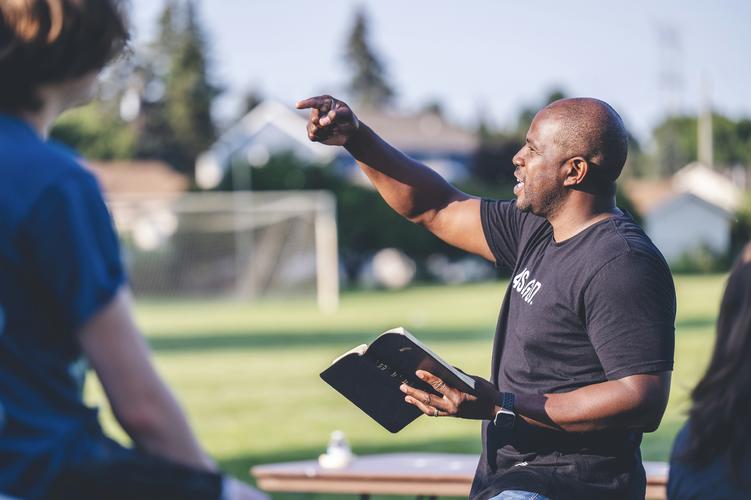
Introduction
Emotional agility is a skill — and like any skill, it improves with practice. Coaches can help clients build emotional agility through simple yet effective exercises. Here are five you can easily integrate into your coaching sessions.
- Label the Emotion
Encourage clients to name their current emotion specifically (“I’m feeling anxious” vs. “I’m upset”). Naming emotions reduces their intensity and helps clients observe feelings without judgment. - The Mindful Pause
Teach clients to p…
What Is Emotional Agility and Why Coaches Need It
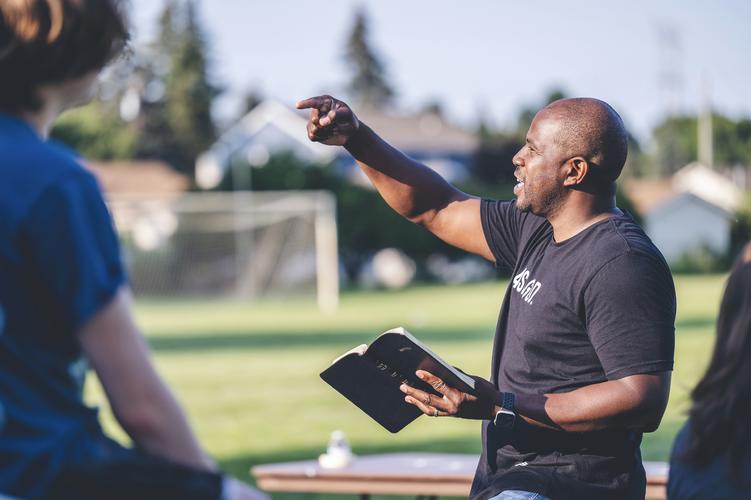
Introduction
In today’s fast-paced, uncertain world, emotional agility has become a must-have skill — both for coaches and their clients. But what exactly is emotional agility, and why is it so critical for effective coaching?
What Is Emotional Agility?
Emotional agility is the ability to navigate your emotions with flexibility, awareness, and openness. It means recognizing feelings without getting stuck in them, accepting what you feel without judgment, and choosing intentional actions that alig…
5 Innovative Coaching Practices to Ignite Creativity in Teams

Introduction:
Team creativity doesn’t happen by chance—it’s cultivated. As a coach or leader, you can be the catalyst for that creativity with forward-thinking approaches that energize, align, and inspire.
Main Points:
- Visual Coaching Techniques
Using visual tools (like vision boards, storyboarding, or design thinking canvases) helps teams externalize ideas and make abstract thinking tangible. - Scenario Play and Gamification
Innovative coaches use role-play and simulation to break teams out of …
Coaching in the Age of AI: Why Human Creativity Matters More Than Ever

Introduction:
AI can write code, generate content, and even simulate empathy. But one thing it can’t do is be truly creative the way humans are. In this digital revolution, coaching plays a critical role in nurturing the very human capacity for innovation.
Main Points:
- AI Handles Repetition. Humans Handle Imagination.
Machines excel at analysis. Coaches help people connect dots in unexpectedways—a hallmark of innovation. - The Role of Coaching in Future-Ready Skill Building
Innovative coaching t…
Unlocking Creative Potential Through Coaching: Why Innovation Needs a Human Touch

Introduction:
In a world fueled by rapid change and complex challenges, creativity isn’t a luxury—it’s a necessity. Yet, many professionals find themselves stuck in routines, starved of inspiration. This is where innovative coaching becomes transformative. It doesn’t just encourage creativity—it unlocks it.
Main Points:
- The Myth of the "Creative Type"
Many believe creativity is a rare talent. In reality, it’s a skill anyone can cultivate. Innovative coaching helps break down these mental walls…
Practical Tips to Shift Your Financial Mindset Today

Intro:
Want to start shifting your financial mindset right now? Here are practical steps you can take immediately.
Body:
- Identify Limiting Beliefs:Write down your thoughts about money and notice any negative patterns.
- Practice Daily Affirmations:Use positive statements like “I am worthy of financial abundance.”
- Visualize Success:Spend a few minutes imagining your ideal financial future.
- Track Your Wins:Celebrate every financial win, no matter how small.
- Set Clear Goals:Break big financial…
Blog
coaching
What Is Entrepreneurial Mindset Coaching — And Why Every Coach Needs It
Introduction
Many coaches and therapists enter the field driven by passion and purpose. But passion alone doesn’t build a sustainable business. That’s where entrepreneurial mindset coaching comes in. It’s the missing link between great service and long-term success.
What Is Entrepreneurial Mindset Coaching?
At its core, entrepreneurial mindset coaching helps professionals think, act, and grow like entrepreneurs. It goes beyond skills and tools—it transforms how you approach challenges, opportunit…
Becoming a Post-Traumatic Growth Coach: What You Need to Know
Are you a coach, therapist, or helping professional who wants to make a deeper impact in the lives of those healing from trauma?
Post-Traumatic Growth (PTG) Coaching might be your next step.
This powerful, evidence-informed approach supports clients not only in recovering from trauma, but in transforming through it.
What Is PTG Coaching?
PTG Coaching is based on the psychological framework developed by Dr. Tedeschi and Dr. Calhoun, which explores the potential for personal growth after traum…
5 Signs You’re Ready for Post-Traumatic Growth Coaching
Some wounds take time to close — but what happens after the pain softens? What happens when you’re no longer fighting to survive, but not yet sure how to thrive?
That’s often the moment people discover Post-Traumatic Growth Coaching.
If you've walked through trauma and are now wondering, "What's next?" — this might be your path.
1. You Feel Like Something’s Missing — Even After Therapy
You’ve done the work. Maybe you've seen a therapist, gone to support groups, or found ways to cope. But now…
What Is Post-Traumatic Growth Coaching (And How Does It Work)?
Trauma changes us — but so can healing.
When we think about trauma, we often focus on what was lost: safety, trust, confidence, identity. But what if trauma could also be the starting point for growth, meaning, and even purpose?
That’s where Post-Traumatic Growth Coaching comes in.
What Is Post-Traumatic Growth?
Post-Traumatic Growth (PTG) refers to the positive psychological transformation that can occur after experiencing adversity. First defined by psychologists Dr. Richard Tedeschi and D…
5 Practical Exercises to Build Emotional Agility in Coaching Sessions
Introduction
Emotional agility is a skill — and like any skill, it improves with practice. Coaches can help clients build emotional agility through simple yet effective exercises. Here are five you can easily integrate into your coaching sessions.
- Label the Emotion
Encourage clients to name their current emotion specifically (“I’m feeling anxious” vs. “I’m upset”). Naming emotions reduces their intensity and helps clients observe feelings without judgment. - The Mindful Pause
Teach clients to p…
What Is Emotional Agility and Why Coaches Need It
Introduction
In today’s fast-paced, uncertain world, emotional agility has become a must-have skill — both for coaches and their clients. But what exactly is emotional agility, and why is it so critical for effective coaching?
What Is Emotional Agility?
Emotional agility is the ability to navigate your emotions with flexibility, awareness, and openness. It means recognizing feelings without getting stuck in them, accepting what you feel without judgment, and choosing intentional actions that alig…
5 Innovative Coaching Practices to Ignite Creativity in Teams
Introduction:
Team creativity doesn’t happen by chance—it’s cultivated. As a coach or leader, you can be the catalyst for that creativity with forward-thinking approaches that energize, align, and inspire.
Main Points:
- Visual Coaching Techniques
Using visual tools (like vision boards, storyboarding, or design thinking canvases) helps teams externalize ideas and make abstract thinking tangible. - Scenario Play and Gamification
Innovative coaches use role-play and simulation to break teams out of …
Coaching in the Age of AI: Why Human Creativity Matters More Than Ever
Introduction:
AI can write code, generate content, and even simulate empathy. But one thing it can’t do is be truly creative the way humans are. In this digital revolution, coaching plays a critical role in nurturing the very human capacity for innovation.
Main Points:
- AI Handles Repetition. Humans Handle Imagination.
Machines excel at analysis. Coaches help people connect dots in unexpectedways—a hallmark of innovation. - The Role of Coaching in Future-Ready Skill Building
Innovative coaching t…
Unlocking Creative Potential Through Coaching: Why Innovation Needs a Human Touch
Introduction:
In a world fueled by rapid change and complex challenges, creativity isn’t a luxury—it’s a necessity. Yet, many professionals find themselves stuck in routines, starved of inspiration. This is where innovative coaching becomes transformative. It doesn’t just encourage creativity—it unlocks it.
Main Points:
- The Myth of the "Creative Type"
Many believe creativity is a rare talent. In reality, it’s a skill anyone can cultivate. Innovative coaching helps break down these mental walls…
Practical Tips to Shift Your Financial Mindset Today
Intro:
Want to start shifting your financial mindset right now? Here are practical steps you can take immediately.
Body:
- Identify Limiting Beliefs:Write down your thoughts about money and notice any negative patterns.
- Practice Daily Affirmations:Use positive statements like “I am worthy of financial abundance.”
- Visualize Success:Spend a few minutes imagining your ideal financial future.
- Track Your Wins:Celebrate every financial win, no matter how small.
- Set Clear Goals:Break big financial…